
The History of Digital Wellness Day
In 2018, Apple launched its first digital wellness tool, now known as ScreenTime. While this product was incredible and much-needed, its launch unfortunately led to the overnight removal of several other amazing wellness apps in the App Store.
Thanks to the swift and brave action of a group of grassroots developers, a petition was circulated to garner more than two thousand signatures which led to the successful reinstatement of these well-being apps.
After this incredible victory, there was a groundswell of interest in organizing the world’s first trade association for digital wellness, dubbed the Digital Wellness Collective. Out of that initiative came the explicit need for an education and training body dedicated to equipping leaders with a common definition of digital wellness and a set of research-based metrics and skills for achieving a more positive digital culture.
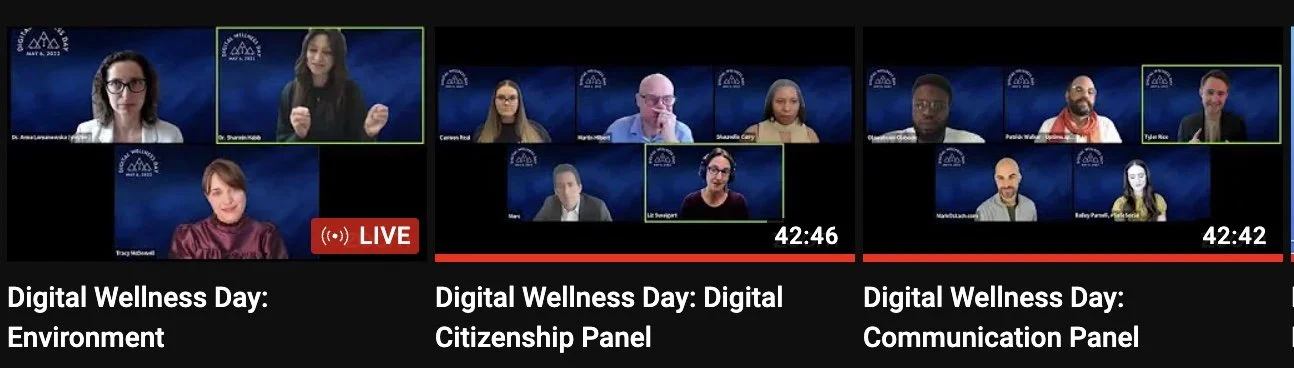
In March 2020, just as the global pandemic was emerging, the Collective formally reorganized as the Digital Wellness Institute and launched its flagship certificate program for Certified Digital Wellness Educators along with Digital Wellness Day: an annual international holiday and global movement with a resource hub for free. year-round educational resources.
In 2026, Nina Hersher, a co-founder of the Digital Wellness Institute and founder of the Digital Resilience Lab, assumed management of the campaign with a vision to expand its global reach and deepen its real-world impact.
Recognizing the growing urgency around digital trust, mental health, and responsible technology use, she approached Katrina German of Ethical Digital to help evolve Digital Wellness Day into a more internationally coordinated movement.
What began as a grassroots response to protect wellness innovation in the tech ecosystem has now grown into a global call to action. The day invites individuals and organizations alike to pause, reflect, and intentionally shape a healthier relationship with technology.